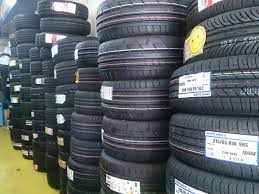
The number one rule in driving a car is staying safe no matter what. So how can you stay safe on the road?
First and foremost, your car needs to be always safe for driving. The tyres are one of the most important parts of a vehicle, which you need to check often.
Remember, tyres do not only roll but get in constant contact with the road, making them prone to damage. So a puncture to your tyre could lead to a flat tyre, which will prevent you from moving or worse, might get you stuck in the middle of nowhere.
Tyre Check, Anyone?
When was the last time you did a tyre check? If you can no longer remember since it has been quite a while, get it done now.
Checking your tyres from time to time is vital. Ensure to check if the tyres are poorly inflated, defective, or even worn out. You will be surprised to find out just how dangerous blunt tires could be when they are on the road.
Find the Tyre Markings
Learn to read the tyres by locating the tyre markings on their sidewalls. You probably have come across a combination of numbers and letters on your tyres. If you haven’t, try checking the outer part of your tyre. Pay close attention to it as it may not be too visible.
Interestingly, there are other places you can get this information from. You can also find it in the vehicle manual, driver’s door jamb, glove box door, and even the fuel cap hatch. These other spots are good to refer to when trying to know if a tyre will be perfect for your car. This is because they provide more information on the tyre type and size.
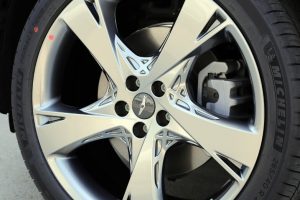
How You Can Read Tyre Sidewall Markings
There are numbers and letters on the sidewall of your tyre, including in a bicycle. You have to understand what the sequence stands to help you know your bicycle tyre size.
For example, you have seen tyre markings 205/60 R 16 92 H.
- The 205 in the sequence stands for the tyre width. So if you measure the tyre from one sidewall to the other, you will get 205 mm for the tyre.
- Next is the number 60. This stands for the aspect ratio, which is the height of the sidewall measured in mm. It is the ratio of the cross-section to the width of the sidewall.
- The letter R stands for tyre construction. R here indicates radial construction. In some cases, the letter D is reflected. It stands for diagonal construction.
- The number 16 indicates the diameter of the rim in inches. This also stands for the wheel rim diameter. With this, you won’t get the wrong wheel rim size. For the number 16, the wheel rim should be 16 inches.
- The number 92 in the sample indicates the load index, which is the maximum capacity a tyre can hold when it’s inflated to the highest. The load indices for passenger tyres range from 75 to 105. And each value has a corresponding load capacity.
- The letter H stands for speed rating. The maximum speed that the tyre can sustain is indicated by whatever final letter on your tyre. In this case, the letter is H, and the maximum speed is 130mph when in full load capacity. Even though the maximum is 130miph, it is advisable not to exceed the legal speed rate for your safety.
It’s not enough to learn about tyre markings and sizes, you also need to get a good one. And to do this effortlessly, you need a reliable source for this, and we happen to be one. Here at Fast Tyres Services, we provide durable, affordable, and high-quality tyres. By inputting your car tyre details here, you can find out the options we have available for you.